

Testimony of a Babuluko Pygmy Expelled from the Forest in the African Congo Basin - the 'World's Second Lung'
The Democratic Republic of Congo (DRC) is home to the African Congo Basin, often described as the world's second most important ecological lung. This vital rainforest is not only home to its famous mountain gorillas but also to groups of Indigenous Peoples. Yet, as the global community races toward ambitious targets like the 30x30 goal—aiming to protect 30% of the Earth’s land and sea by 2030—the cost is often borne by the very people who have served as the forest's original custodians for millennia.
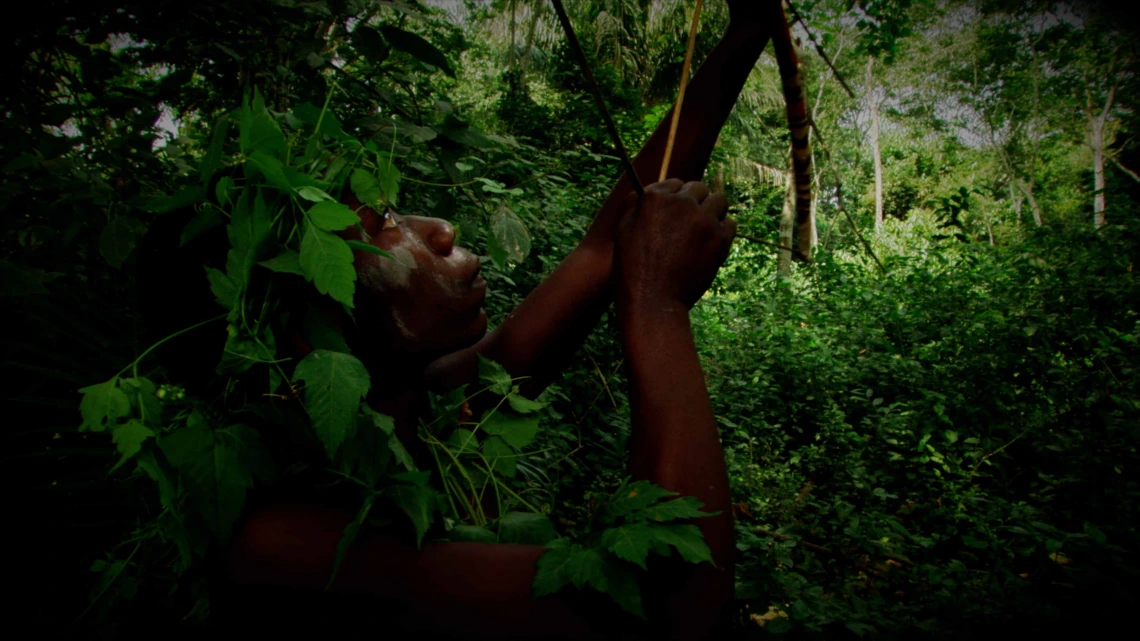
This video presents the powerful testimony of a member of the Babuluko Pygmy community (part of the larger Bambuti) from the Goma region of North Kivu. Pygmies (a term accepted by the government and civil society organisations in the DRC to refer to the Mbuti, Baka and Batwa peoples) are an Indigenous People historically subjected to extreme prejudice and cruelly considered "subhuman". For safety reasons, the speaker is being kept anonymous. He shares the devastating account of his family’s violent expulsion from their ancestral forest home within the Kahuzi-Biega National Park.
For the Babuluko, who are mobile hunter-gatherers, the forest is not a resource but the source of their culture, identity, and livelihood. Their indigenous knowledge and survival as Peoples is intrinsically linked to the health of the Congo Basin's ecosystem. Currently, the Pygmies and the forest itself are caught in the crossfire of escalating conflict, militia activity, and regional instability.
The testimony forces us to confront a critical humanitarian challenge: When conservation initiatives fail to respect and protect the rights of Indigenous Peoples, they become instruments of displacement and injustice. This case is a stark reminder that true environmental protection cannot be achieved by sacrificing human rights. The video serves as an urgent call for rights-based conservation, ensuring that global goals like 30x30 lead to the inclusion and empowerment of communities like the Babuluko, rather than their erasure.